
Close
Dambulla, located in the Matale District of Sri Lanka’s Central Province, is a town of immense historical and cultural importance, primarily due to its magnificent cave temple complex. As a central point of the Cultural Triangle, it serves as a gateway to many of the country’s most significant ancient sites, including Sigiriya and Polonnaruwa. Dambulla’s fame rests squarely on the UNESCO World Heritage-listed Golden Temple and the Dambulla Cave Temples, which showcase a stunning blend of Buddhist art, sculpture, and architecture.
The Dambulla Cave Temple complex, also known as the Golden Temple of Dambulla, is the most impressive and well-preserved cave temple in Sri Lanka. It consists of a series of five caves that have been used as a sacred pilgrimage site for over 22 centuries. The temples are carved into a massive rock outcrop that rises 160 meters (525 feet) from the surrounding plains.
The history of the temple dates back to the 1st century BCE, when King Valagamba took refuge in the caves after being exiled from Anuradhapura. After reclaiming his throne, he converted the caves into magnificent temples in gratitude. Subsequent kings and benefactors continued to add to the site, creating the artistic and religious treasure that exists today.
The caves contain a breathtaking collection of over 150 Buddha statues, as well as statues of gods, goddesses, and Sri Lankan kings. The walls and ceilings are covered with intricate murals and paintings that depict scenes from the Buddha’s life, the history of the Sinhalese people, and various Buddhist stories. The vivid colors and detailed artistry have been preserved over centuries due to the protective nature of the caves.
Devaraja Lena (Cave of the Divine King): This cave features a large 14-meter-long reclining Buddha statue and a statue of Vishnu, who is believed to have used his divine powers to aid King Valagamba.
Maharaja Lena (Cave of the Great Kings): The largest and most spectacular of the caves, it contains statues of two great kings, Valagamba and Nissanka Malla. The cave is dominated by a stunning seated Buddha statue and is filled with other statues and frescoes.
Maha Aluth Viharaya (Great New Temple): This cave is famous for its intricate murals, including those depicting the attack of Mara on the Buddha. It also contains numerous statues of the Buddha in various postures.
Paschima Viharaya (Western Temple): A smaller cave with a beautiful seated Buddha and other statues.
Devana Aluth Viharaya (Second New Temple): The smallest of the five caves, containing a number of small statues and frescoes.
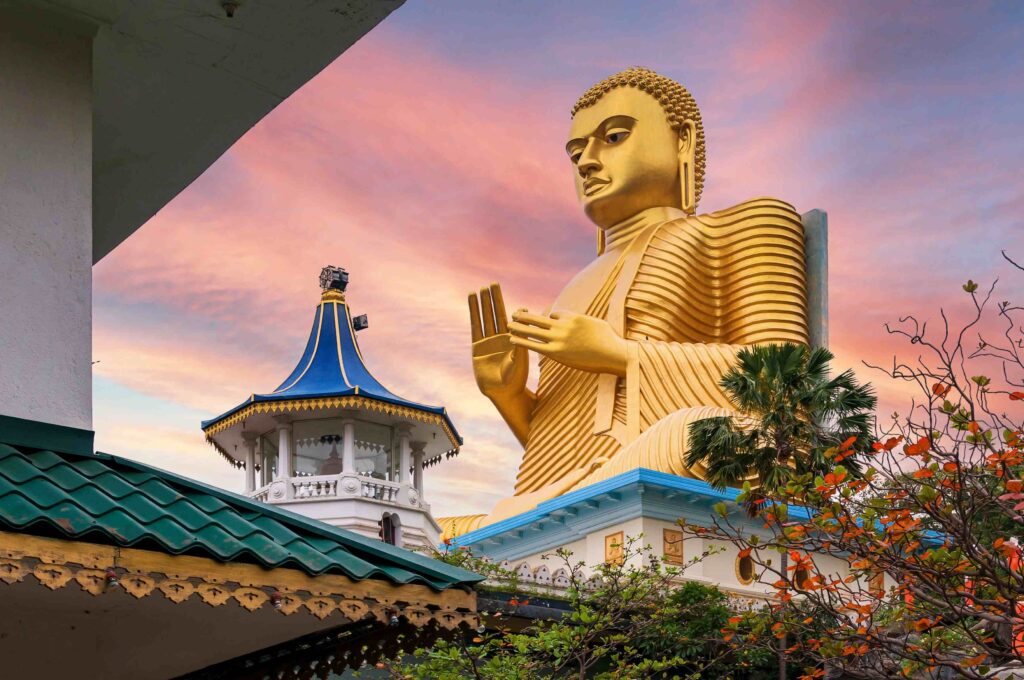
The name “Golden Temple” also refers to the modern complex at the base of the rock. This area is marked by a massive, golden Buddha statue sitting atop a three-story building, which now houses the Buddhist Museum.
While the Cave Temples are the main draw, Dambulla’s central location makes it an excellent base for exploring the surrounding attractions of Sri Lanka’s Cultural Triangle:
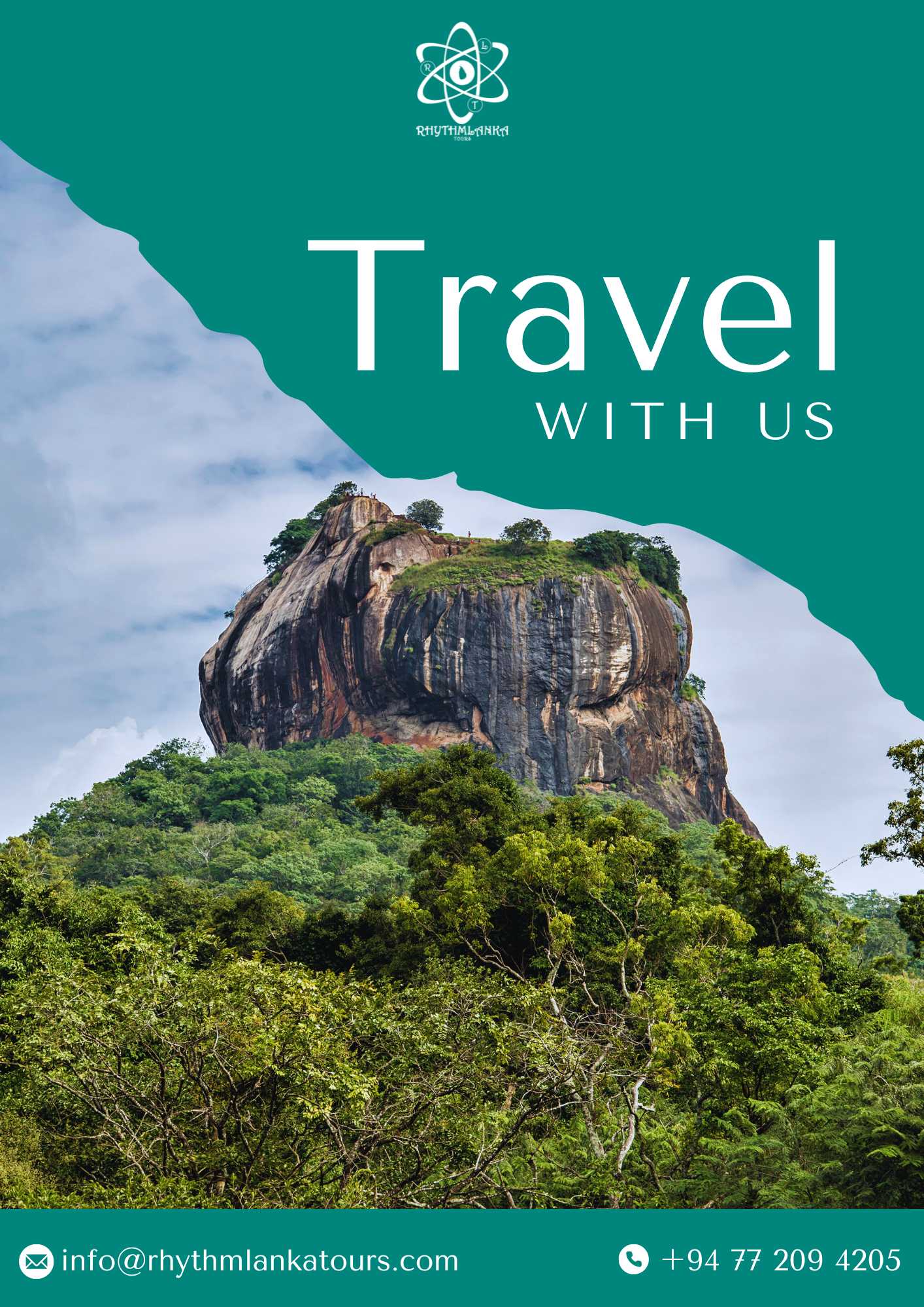
Sigiriya (Lion Rock): Located just a 20-minute drive from Dambulla, this ancient rock fortress is one of the most visited sites in the country.
Pidurangala Rock: A less crowded alternative to Sigiriya, Pidurangala offers an equally stunning view of the Sigiriya fortress and the surrounding landscape.
Polonnaruwa: A day trip from Dambulla can take you to this well-preserved medieval capital, which flourished after the fall of Anuradhapura.
Minneriya and Kaudulla National Parks: These parks are famous for the “Gathering,” a spectacular congregation of hundreds of elephants that occurs between July and October. Dambulla serves as a great starting point for a safari tour to these parks.
Dambulla’s Central Vegetable Market: This market is one of the largest and busiest in the country, showcasing the agricultural richness of the region. It’s a vibrant hub of activity and a great place to experience local life.
Dambulla is more than just a historical landmark; it is a spiritual and cultural epicenter that encapsulates centuries of Sri Lankan artistry and religious devotion. It is an essential part of any journey into the island’s magnificent ancient history.

At RythmLanka Tours, we are passionate about turning your travel dreams into reality.
Our experienced team works closely with clients to deliver personalized travel plans, unique cultural experiences, and seamless journeys.