
Close
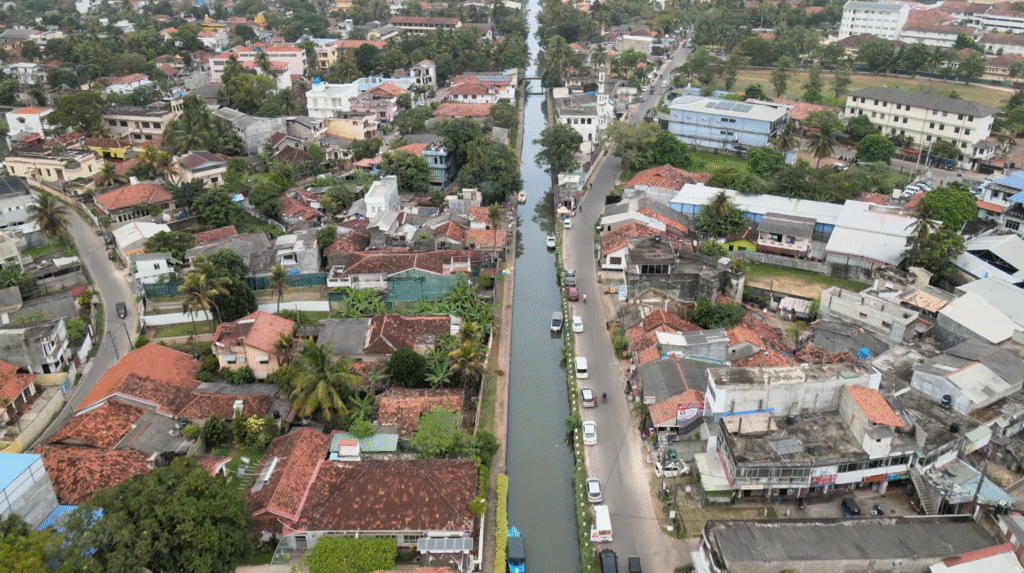
Negombo is a prominent coastal city in Sri Lanka, situated on the western coast near the Bandaranaike International Airport. Known as “Little Rome” due to its significant Roman Catholic population and numerous churches, the city offers a unique blend of history, culture, and natural beauty.
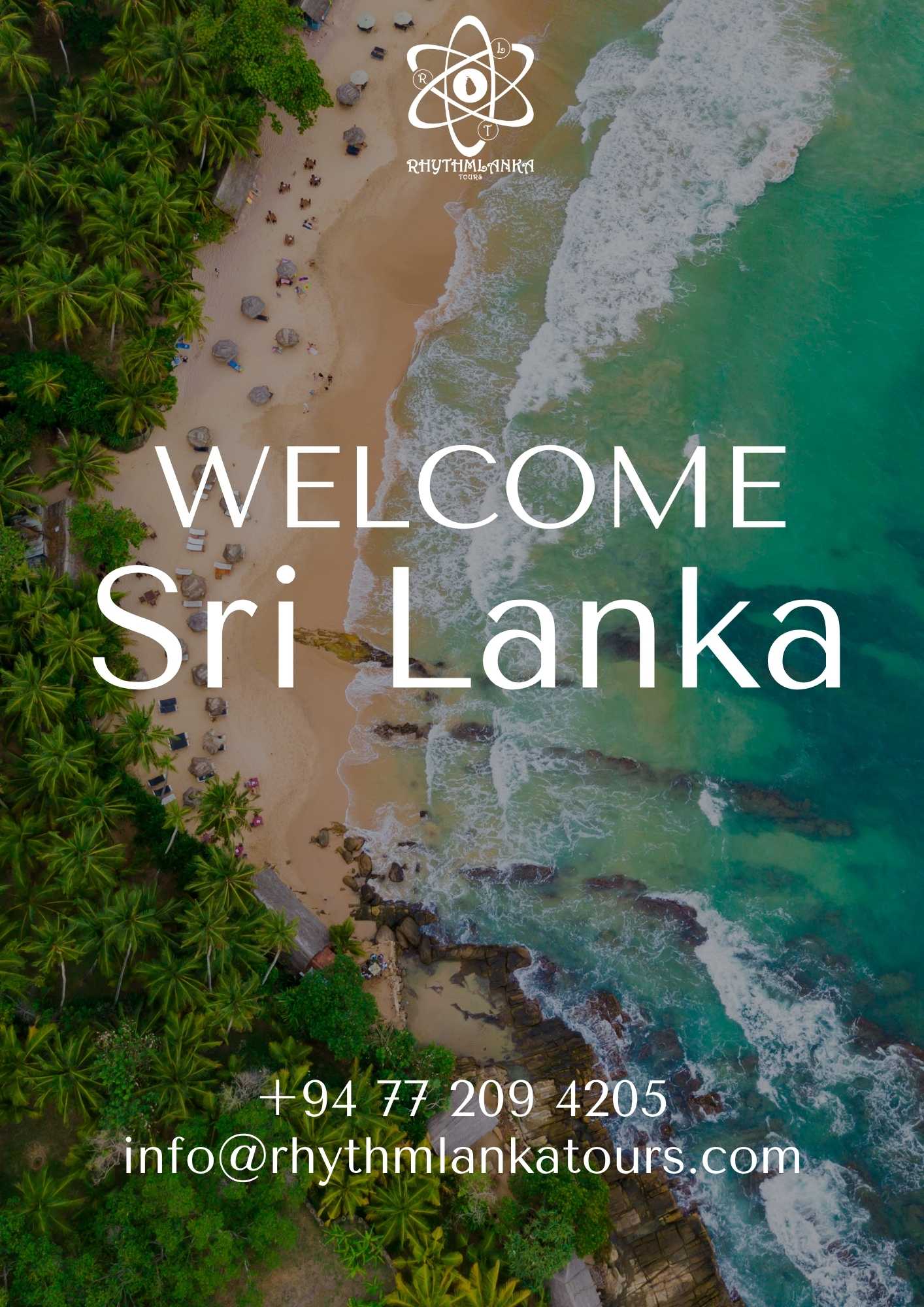
Beaches and Lagoon: Negombo is famous for its long, sandy beaches and the tranquil Negombo Lagoon. The lagoon is a major landmark and a hub for the city’s centuries-old fishing industry. It’s also a scenic area with mangroves and a diverse ecosystem, making it a popular spot for boat tours and birdwatching.
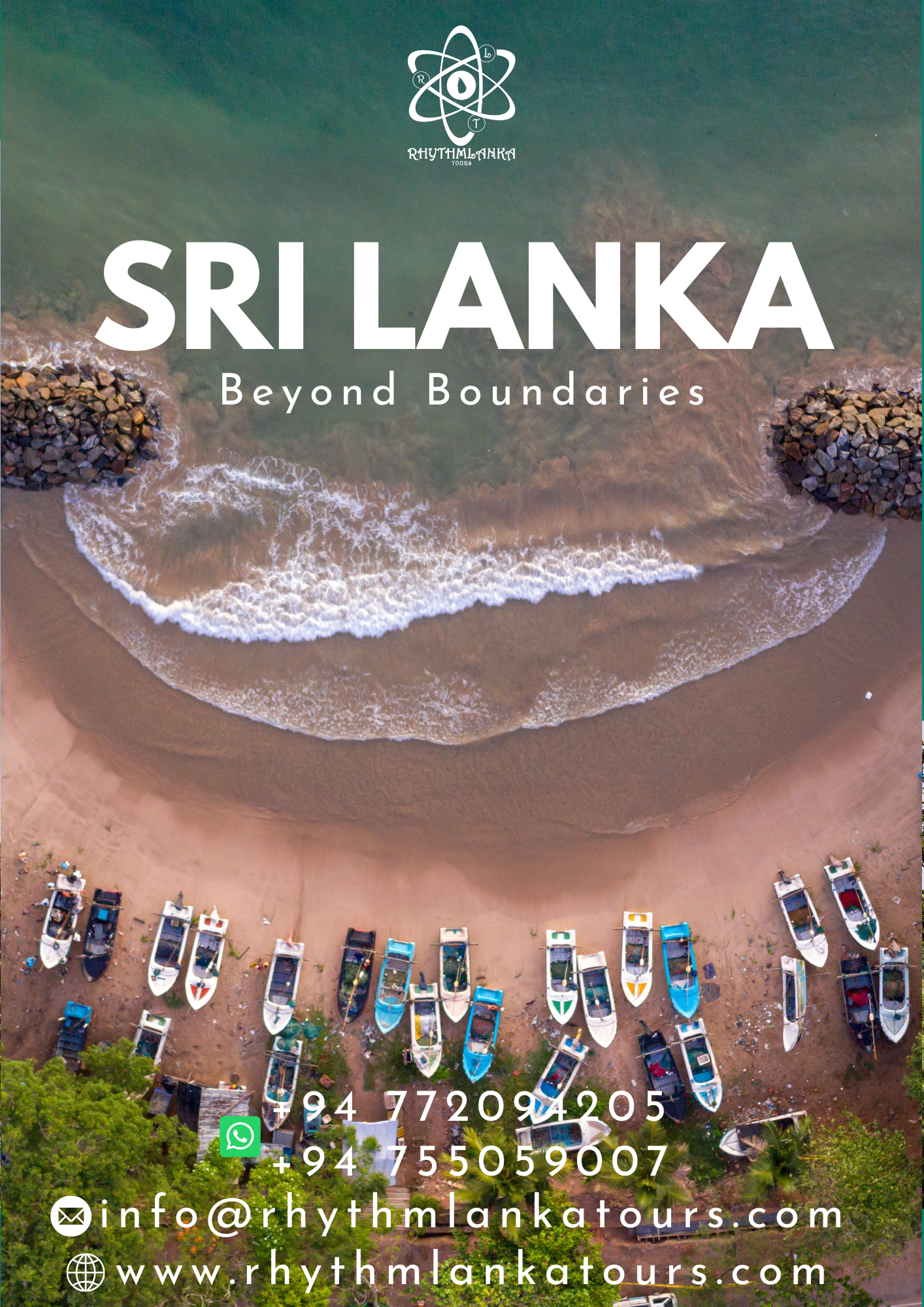
Fishing Industry: Fishing is the cornerstone of Negombo’s local economy. The city is home to one of Sri Lanka’s largest and most vibrant fish markets, often referred to as “Lellama.” Here, visitors can witness the daily spectacle of fishermen bringing in their fresh catch and the bustling trade that follows.
Colonial History: The city’s history is deeply shaped by its colonial past. The Portuguese, Dutch, and British all left their mark, most notably in the form of architecture and religious influence. The Portuguese introduced Catholicism, which has a strong presence today, while the Dutch built the Negombo Fort and a network of canals, including the Hamilton Canal, which remains a key feature of the city’s landscape.
Negombo Beach: Ideal for sunbathing, swimming, and various water sports, the beach is a central point of attraction.
Negombo Fish Market: A must-visit to experience the authentic local culture and observe the daily life of the fishing community.
St. Mary’s Church: One of the largest and most impressive cathedrals in Sri Lanka, known for its beautiful architecture and intricate artwork.
Hamilton Canal: Visitors can take a boat ride or rent a bicycle to explore this historic waterway, which offers a glimpse into the city’s past and its scenic surroundings.
Dutch Fort: While largely in ruins, with parts now functioning as a prison, the site of the old Dutch fort and the nearby clock tower showcase the city’s colonial heritage.
Angurukaramulla Temple: A significant Buddhist temple known for its massive dragon entrance, ancient murals, and a large reclining Buddha statue.
Muthurajawela Marsh: A vast wetland sanctuary south of Negombo, offering excellent opportunities for birdwatching and exploring a diverse ecosystem.
Negombo is a multi-religious city, but it is predominantly Roman Catholic. This strong Christian influence is evident in the numerous churches, chapels, and religious festivals held throughout the year, earning it the nickname “Little Rome.” The city’s population is bilingual, with both Sinhala and Tamil spoken.
The best time to visit Negombo is during the dry season, from December to April. During this period, the weather is most favorable, with pleasant temperatures, low rainfall, and ideal conditions for beach activities and exploring the city’s attractions. The weather is generally hot and humid year-round, but the monsoon seasons can bring heavy rainfall, particularly from May to September

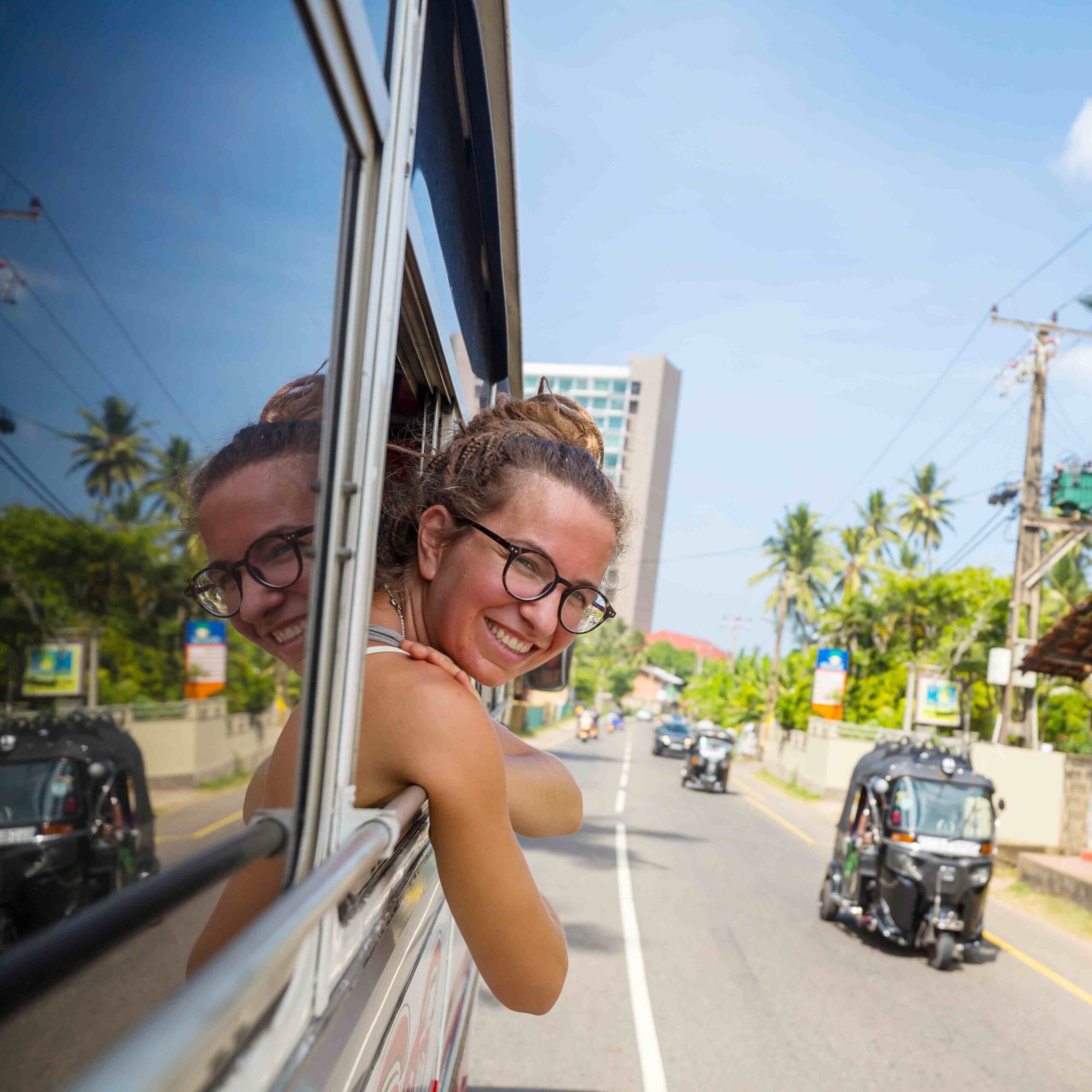


At RythmLanka Tours, we are passionate about turning your travel dreams into reality.
Our experienced team works closely with clients to deliver personalized travel plans, unique cultural experiences, and seamless journeys.