
Close

Nuwara Eliya, often called “Little England,” is a picturesque city nestled in the heart of Sri Lanka’s Central Highlands. Located at an altitude of approximately 1,868 meters (6,128 feet) above sea level, it enjoys a temperate, cool climate that stands in stark contrast to the tropical heat of the rest of the island. This unique climate and its rich colonial history make Nuwara Eliya a distinctive and charming destination.
The modern history of Nuwara Eliya began in the 19th century when it was “discovered” by the British colonialists. Dr. John Davy, a British surgeon, stumbled upon the area in 1818, and it was later developed as a health resort and sanatorium for British officials. The British, seeking an escape from the sweltering heat of the lowlands, transformed the town into a replica of an English country village.
They built Tudor-style bungalows, introduced European gardens, and established leisure activities like polo, golf, and horse racing. This colonial heritage is still very much alive today. The old red-brick Post Office, the colonial-era Grand Hotel, and the Nuwara Eliya Golf Club are all prime examples of this architectural legacy that gives the town its unique “Little England” character.
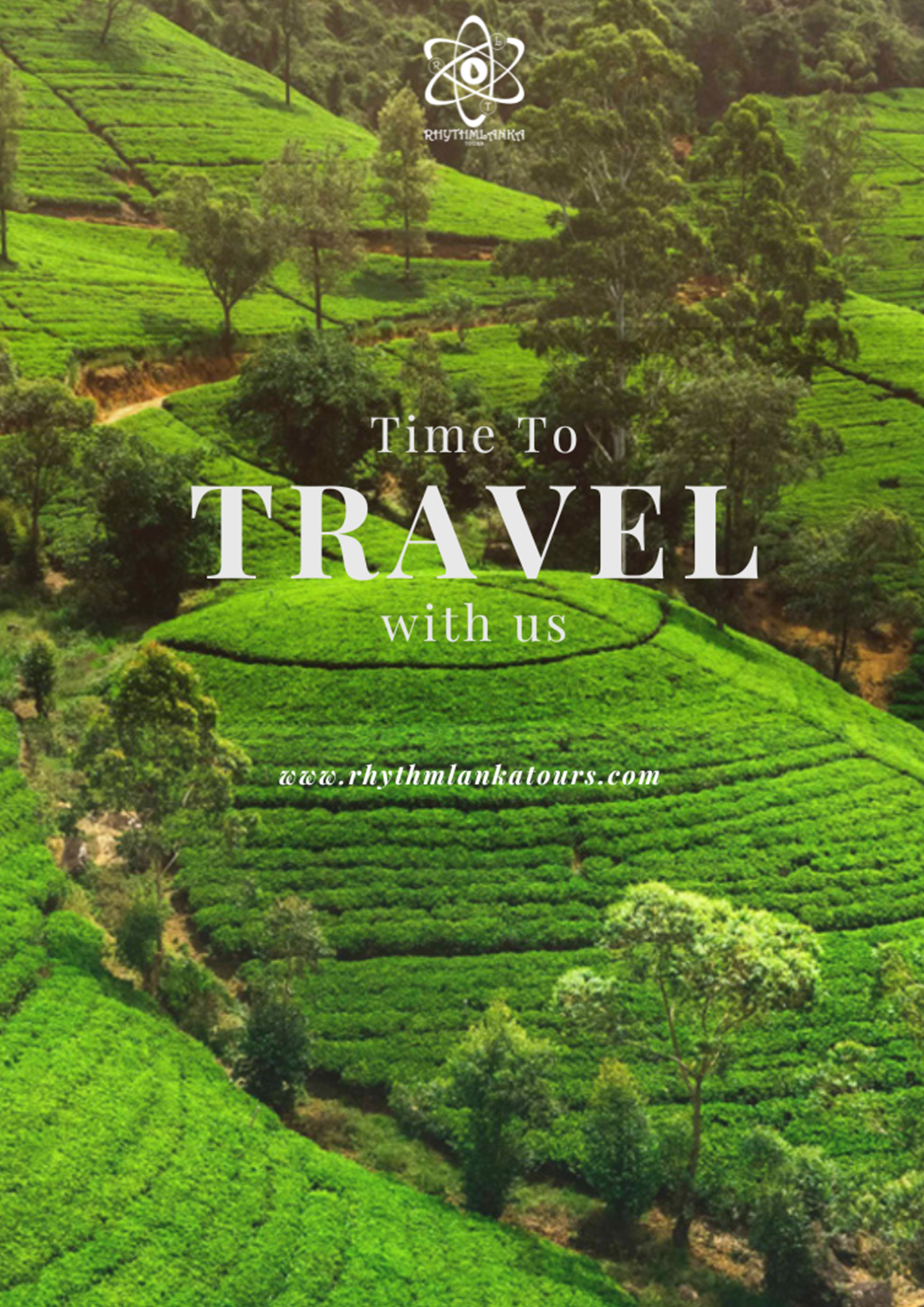
Nuwara Eliya is at the center of Sri Lanka’s world-renowned tea industry. The cool climate, high altitude, and frequent mists provide the perfect conditions for growing some of the finest tea in the world. The hills surrounding the town are covered in a lush green carpet of tea bushes, and the sight of tea pluckers, often Tamil women, working their way through the plantations adds to the scenic beauty.
Visitors can explore a working tea factory, such as the Pedro Tea Estate, to learn about the entire process of tea production, from leaf to cup. These tours typically conclude with a tasting session, where one can savor the fresh, aromatic brew that has made Ceylon tea famous globally.
The town and its surroundings offer a variety of attractions that appeal to nature lovers, history buffs, and those seeking a peaceful retreat.
Gregory Lake: A tranquil man-made lake in the center of the town, created by Governor William Gregory in the 19th century. It is a popular spot for boat rides, pedal boating, and leisurely strolls along its banks.
Victoria Park: A beautifully manicured public park in the heart of the town. It is an ideal place for a relaxed walk and is particularly vibrant during the spring season when a variety of flowers are in full bloom.
Horton Plains National Park: Located a short drive from Nuwara Eliya, this is a protected area and a UNESCO World Heritage Site known for its unique montane grassland and cloud forest ecosystems. The park is famous for the World’s End, a sheer cliff with a 1,050-meter drop, and Baker’s Falls. The best time to visit is early in the morning before the mist sets in.
Hakgala Botanical Garden: Located a few kilometers from the town, this is one of the four botanical gardens in Sri Lanka. It features a diverse collection of temperate plants, and its rose garden is a popular attraction.
Lover’s Leap Waterfall: A scenic waterfall surrounded by tea plantations, with a romantic legend attached to its name. A short trek through the tea estate leads to a viewpoint of the cascading water.
Pidurutalagala (Mount Pedro): As the highest mountain in Sri Lanka, it towers over the city. While trekking to the summit is generally restricted due to its use as a communication base, its presence is a defining feature of the Nuwara Eliya landscape.
Nuwara Eliya is a unique blend of natural splendor and colonial-era charm. It is a place where visitors can experience a different side of Sri Lanka, one of misty mountains, cascading waterfalls, vast tea estates, and a distinct, nostalgic atmosphere.

At RythmLanka Tours, we are passionate about turning your travel dreams into reality.
Our experienced team works closely with clients to deliver personalized travel plans, unique cultural experiences, and seamless journeys.