
Close
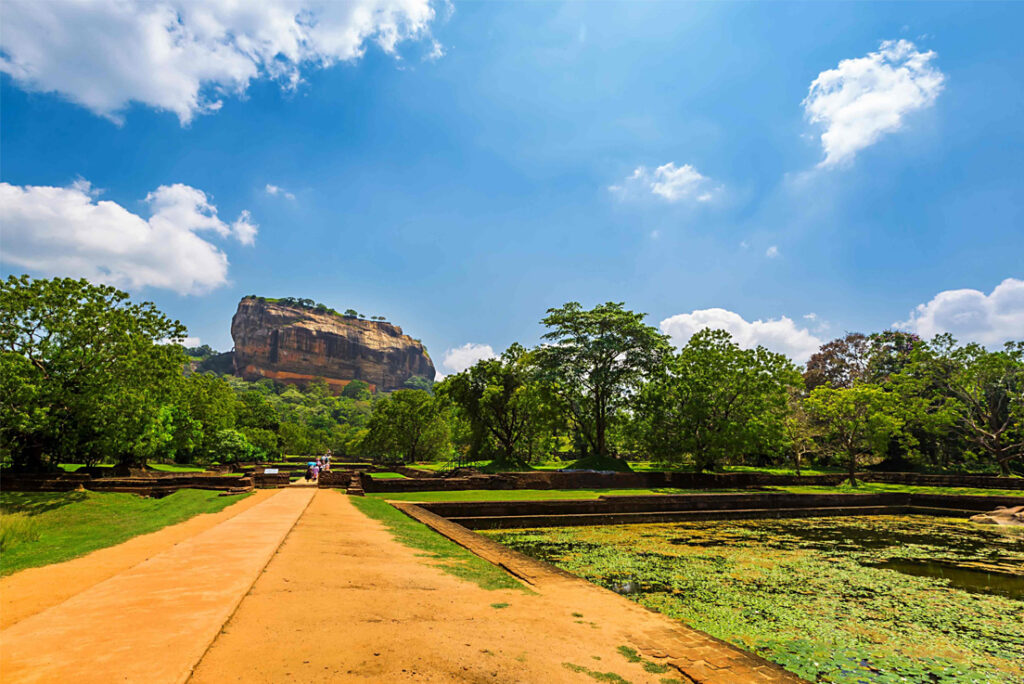
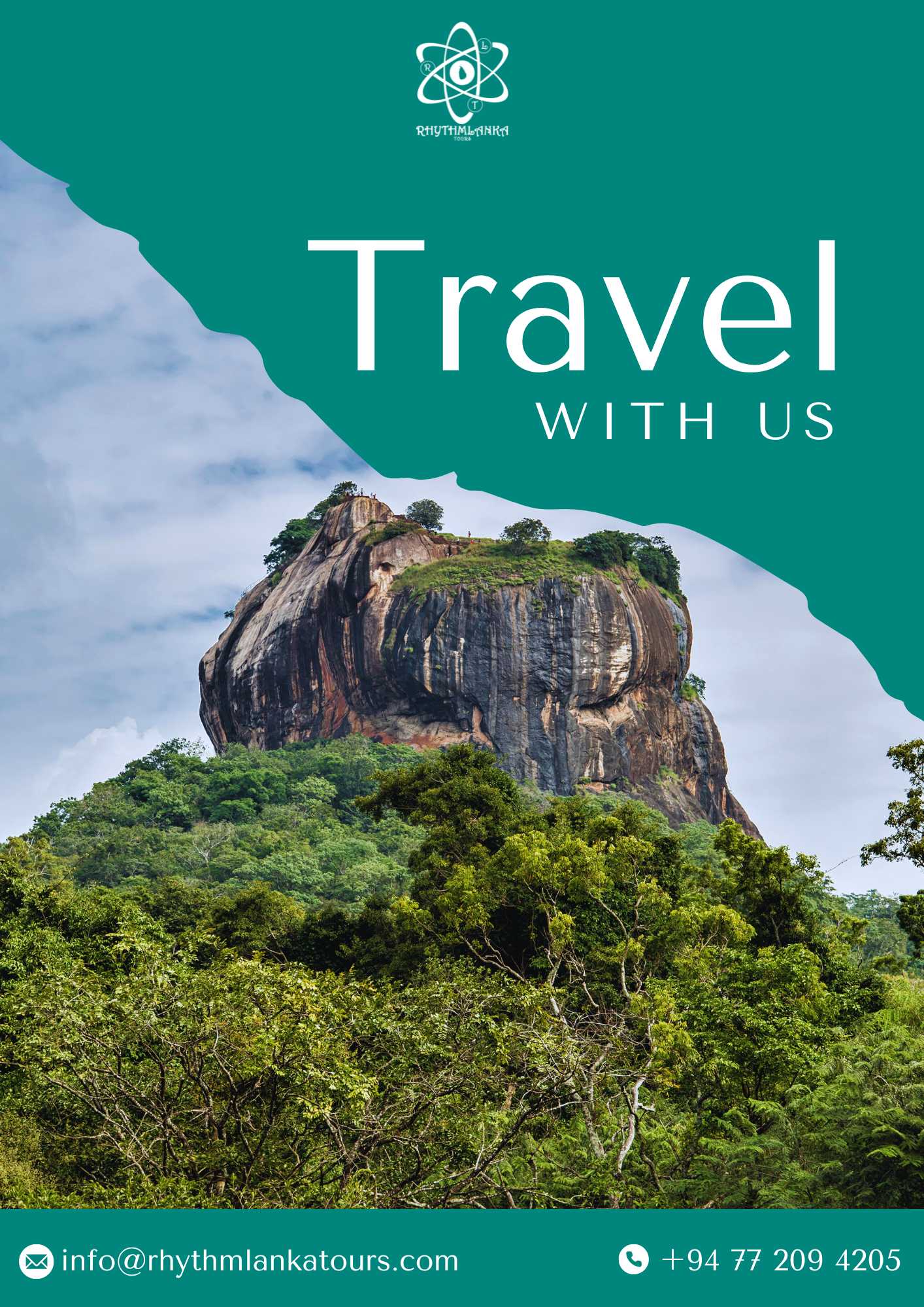
Sigiriya, often called the “Eighth Wonder of the World,” is a remarkable ancient rock fortress and palace complex located in the Central Province of Sri Lanka. This UNESCO World Heritage Site is a testament to the ingenuity and artistic vision of ancient Sri Lankan civilization. Its history is deeply intertwined with the story of King Kassapa I and stands as one of the most significant archaeological and historical sites in the country.
The history of Sigiriya is both fascinating and tragic. While the site had been a Buddhist monastery since the 3rd century BCE, its transformation into a royal capital occurred in the 5th century CE. The credit for this monumental undertaking goes to King Kassapa I.
According to historical accounts, Kassapa seized the throne by assassinating his father, King Dhatusena, and exiling his brother, Moggallana, who was the rightful heir. Fearing Moggallana’s return and seeking a secure, defensible capital, Kassapa chose the massive granite monolith of Sigiriya. He commissioned the construction of an elaborate fortress and a pleasure palace on its flat summit. After Kassapa’s death in 495 CE, Sigiriya reverted to being a Buddhist monastery until the 14th century, when it was eventually abandoned.
The defining feature of Sigiriya is the “Lion Rock” itself, a colossal column of granite rising approximately 180 meters (nearly 600 feet) from the surrounding plains. The name “Sigiriya” is derived from the Sinhala words “Sinha-Giri,” meaning “Lion Rock,” a reference to the gigantic lion structure that once guarded the entrance to the final ascent.
The royal palace on the summit of the rock, though now in ruins, reveals a sophisticated layout with remnants of chambers, staircases, and reservoirs. The sheer sides of the rock were made even more formidable with ingenious defensive measures. The entire city complex, including the palace and gardens, showcases a harmony between nature and human creativity.
The journey up Sigiriya is an experience in itself, with a series of distinct and historically significant features:
At the base of the rock, the Sigiriya complex begins with one of the oldest landscaped gardens in Asia. The water gardens are a masterpiece of ancient hydraulic engineering. They feature a sophisticated network of symmetrical ponds, fountains, and canals, which were fed by underground terracotta pipes. Amazingly, some of these fountains still function during the rainy season.
As you move closer to the rock, you encounter the boulder gardens, where large rocks were integrated into the design, serving as foundations for ancient monasteries. This area leads to the terraced gardens, with stone steps and pathways carved into the side of the rock.
One of the most famous and breathtaking features of Sigiriya is the series of ancient frescoes. Located in a sheltered gallery on the rock face, these vibrant paintings depict beautiful, bare-breasted female figures, often referred to as “Sigiriya Damsels.” While their identity is debated—some believe they are King Kassapa’s wives and concubines, while others suggest they are celestial nymphs—their artistry is undeniable. Originally, it is believed there were hundreds of these frescoes, but only a small number has survived.
Following the frescoes, visitors walk along the Mirror Wall. Once highly polished with a special plaster made of lime, egg whites, and honey, this wall was so reflective that the king could see his own reflection. Over the centuries, visitors to Sigiriya inscribed verses, poems, and graffiti on this wall, which are known as the “Sigiriya Graffiti.” These inscriptions, dating from the 7th to the 11th centuries, offer a unique glimpse into the language, literature, and impressions of ancient travelers.
The final, most dramatic section of the climb begins at the lion’s paw terrace. This massive platform is all that remains of the once-gigantic brick and plaster lion that served as the gateway to the summit. The stairway to the top passed between the lion’s paws and into its mouth, a symbolic and awe-inspiring entrance.
Sigiriya remains a powerful symbol of Sri Lanka’s rich history and architectural prowess. It is not only a historical and archaeological marvel but also a popular tourist destination that offers stunning panoramic views of the surrounding landscape from its summit.





At RythmLanka Tours, we are passionate about turning your travel dreams into reality.
Our experienced team works closely with clients to deliver personalized travel plans, unique cultural experiences, and seamless journeys.